Caregiving Resources & Insights
Expert advice, tips, and resources for families navigating home care decisions. Learn about caregiving, senior care, and how to support your loved ones.

-
Senior Wellness
Companion Care
- 14 Jun, 2025
The Importance of Socialization for Elderly Adults
Human beings are social creatures at every age, but for seniors, social connection becomes even more critical. As people age, they often face circumstances that limit their social interactions—retirement, loss of a spouse, mobility challenges, or friends moving away. Understanding the importance of socialization can help families take steps to keep their loved ones connected and thriving. The Health Consequences of Isolation Research shows that social isolation and loneliness in seniors can lead to:Cognitive decline - Increased risk of dementia and Alzheimer's disease Depression and anxiety - Higher rates of mental health challenges Heart disease - Comparable risk to smoking or obesity Weakened immune system - Greater susceptibility to illness Shortened lifespan - Loneliness is associated with earlier mortality"Social connection isn't a luxury for seniors—it's a fundamental health need that affects mind, body, and spirit."Barriers to Socialization Understanding why seniors become isolated helps us address the problem:Loss of mobility - Difficulty driving or using transportation Health conditions - Chronic illness, pain, or fatigue Hearing or vision loss - Making communication difficult Loss of loved ones - Spouses, friends, and siblings passing away Relocation - Moving to be closer to family but away from established communityWays to Encourage Social Connection 1. Technology as a Bridge Help your loved one use technology to stay connected:Video calls with family members Social media to follow grandchildren's activities Online communities and interest groups Virtual religious services or book clubs2. Community Engagement Explore local opportunities:Senior centers and community programs Religious or spiritual communities Volunteer opportunities Classes or workshops (art, exercise, computers)3. Regular Family ContactSchedule consistent calls or visits Include seniors in family gatherings Share photos and updates regularly Involve them in family decisions4. Professional Companion Care Companion care services provide:Consistent, reliable social interaction Engaging activities and conversation Transportation to social events A caring relationship that grows over timeSigns Your Loved One May Be Isolated Watch for these indicators:Withdrawing from activities they once enjoyed Decreased communication with family and friends Changes in mood, appetite, or sleep Neglecting personal care or home maintenance Expressing feelings of loneliness or worthlessnessTaking Action If you're concerned about a loved one's social isolation:Have an honest conversation about their feelings Help them identify interests and potential activities Address barriers like transportation or mobility Consider companion care services for regular engagementAt AccessPoint Care, our companion care services are specifically designed to combat loneliness and provide meaningful social connection. Our caregivers become trusted friends who genuinely care about your loved one's happiness and wellbeing.
read more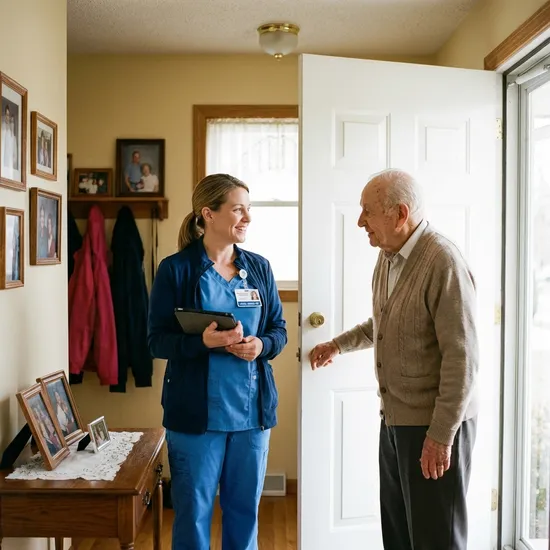
-
Home Care
Getting Started
- 22 May, 2025
What to Expect During Your First Home Care Assessment
Taking the first step toward home care for a loved one can feel overwhelming. One of the most common questions families ask is: "What happens during a home care assessment?" Understanding the process can help ease anxiety and ensure you get the most value from this important consultation. What is a Home Care Assessment? A home care assessment is an in-person evaluation conducted by a care professional to:Understand your loved one's current needs and situation Identify appropriate services and care levels Assess the home environment for safety Answer your questions about home care Develop a preliminary care plan"The assessment isn't just about identifying needs—it's the beginning of a partnership between your family and your care team."Before the Assessment: How to Prepare To make the most of your assessment, gather the following information: Medical InformationCurrent medications list Recent diagnoses or hospitalizations Names of doctors and specialists Any physical limitations or mobility issuesDaily Living DetailsCurrent daily routine Activities that have become difficult Personal preferences and habits Dietary needs or restrictionsPractical ConsiderationsCurrent support system (family, friends, neighbors) Desired schedule for care Budget considerations Any specific concerns or goalsDuring the Assessment A typical home care assessment includes: 1. Introduction and Overview The care coordinator will explain the process and answer initial questions about services and how home care works. 2. Needs Evaluation You'll discuss:Physical abilities and limitations Cognitive status and memory Emotional wellbeing Social needs and interests Medical conditions and treatments3. Home Safety Review The coordinator may walk through the home to identify:Potential fall hazards Bathroom safety concerns Accessibility issues Emergency preparedness4. Care Plan Discussion Based on the assessment, you'll discuss:Recommended services and frequency Caregiver matching considerations Scheduling preferences How care will be coordinated5. Questions and Next Steps This is your opportunity to ask anything on your mind and understand how to move forward. Questions to Ask Come prepared with questions such as:How do you select and train caregivers? How will you match a caregiver to my loved one? What is your communication process with families? How do you handle schedule changes or emergencies? What are the costs and payment options? How quickly can care begin?After the Assessment Following the assessment, you should receive:A written care plan recommendation Clear pricing information Information about next steps Contact information for follow-up questionsTake Your Time Remember, a reputable home care agency will never pressure you to make an immediate decision. Use the assessment as an opportunity to get to know the agency and ensure they're the right fit for your family. At AccessPoint Care, our complimentary assessments are conducted by experienced care coordinators who take the time to truly understand your loved one's needs. Contact us today to schedule your free consultation.
read moreReady to Get Started?
Schedule a free consultation to discuss your family's care needs
Families Trust Us
Providing compassionate care
throughout Northwest Arkansas


- Trusted by families
- throughout Northwest Arkansas
- for quality home care.