Caregiving Resources & Insights
Expert advice, tips, and resources for families navigating home care decisions. Learn about caregiving, senior care, and how to support your loved ones.
-
Senior Care
Family Caregiving
- 14 Dec, 2025
Signs Your Aging Parent May Need In-Home Care
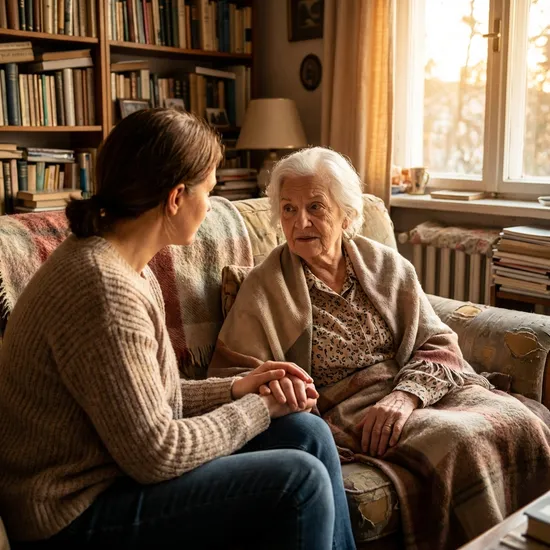
As our parents age, it can be difficult to know when they might need additional support. Many seniors are reluctant to ask for help, even when daily tasks become challenging. Recognizing the signs early can help ensure your loved one receives the care they need while maintaining their independence and dignity. Physical Warning Signs Pay attention to these physical indicators that may suggest your parent needs assistance:Difficulty with mobility - Unsteady walking, frequent falls, or reluctance to move around Changes in personal hygiene - Unkempt appearance, body odor, or wearing the same clothes repeatedly Weight loss or gain - Sudden changes may indicate difficulty preparing meals or eating properly Unexplained bruises - Could indicate falls or difficulty managing daily activitiesCognitive and Emotional Signs Mental and emotional changes are equally important to monitor:"Early intervention with supportive care can significantly improve quality of life and help seniors maintain their independence longer."Forgetfulness - Missing appointments, forgetting to take medications, or repeating stories Confusion - Getting lost in familiar places or difficulty following conversations Mood changes - Increased irritability, withdrawal from activities, or signs of depression Poor judgment - Unusual financial decisions or falling for scamsHome Environment Indicators Take a careful look at your parent's living situation:Cluttered or dirty home - Unlike their usual tidiness Expired food - In the refrigerator or pantry Unpaid bills - Piling up or utilities being shut off Neglected yard - If they previously took pride in their gardenWhat You Can Do If you notice these signs, it doesn't mean your parent needs to leave their home. In-home care services can provide the support they need while allowing them to age in place. Consider:Having an honest, compassionate conversation with your parent Scheduling a professional care assessment Starting with companion care and adjusting as needs change Involving your parent in care decisions whenever possibleAccessPoint Care offers free consultations to help families understand their options. Our compassionate team can assess your loved one's needs and recommend appropriate care levels.
read more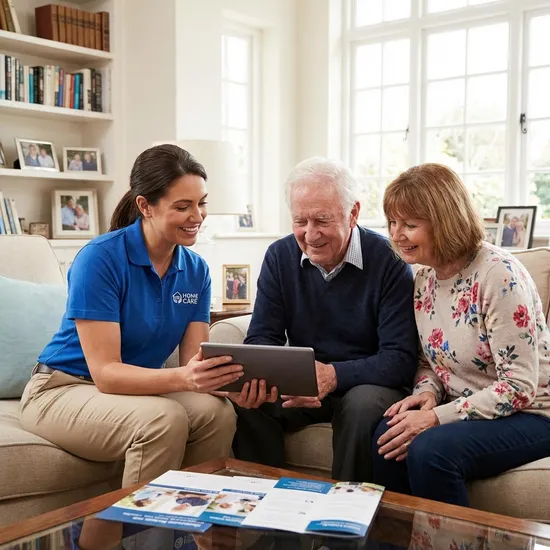
-
Home Care
Family Resources
- 19 Nov, 2025
How to Choose the Right Home Care Provider
Choosing a home care provider for your loved one is one of the most important decisions you'll make as a family caregiver. The right agency can make a tremendous difference in your loved one's quality of life and give you peace of mind. Here's what to look for when evaluating home care providers. Key Questions to Ask When interviewing potential home care agencies, be sure to ask:How do you screen and train caregivers? - Look for thorough background checks, ongoing training, and certification requirements What happens if our regular caregiver is unavailable? - Understand their backup procedures How do you match caregivers with clients? - Personality and compatibility matter What is your communication process with families? - Regular updates are essentialImportant Credentials to Verify A reputable home care agency should have:"The best home care providers invest in their caregivers because they know that quality care starts with quality people."State licensing and compliance with regulations Proper insurance coverage (liability and workers' compensation) Established policies and procedures Positive references from current or past clientsRed Flags to Watch For Be cautious if an agency:Cannot provide clear answers about caregiver screening Pressures you to sign a contract quickly Has no system for handling complaints Offers rates significantly below market average Cannot provide referencesThe Value of Local Care Choosing a locally-owned and operated agency like AccessPoint Care offers distinct advantages:Community connection - We know Northwest Arkansas and understand local healthcare resources Accessibility - Local ownership means faster response times and personal attention Accountability - Our reputation in the community matters to us Flexibility - We can adapt quickly to changing care needsMaking Your Decision Take your time evaluating options. A quality home care provider will:Offer a free in-home assessment Create a personalized care plan Introduce you to potential caregivers before care begins Provide clear pricing without hidden fees Welcome your questions and involvementAt AccessPoint Care, we encourage families to interview multiple providers. We're confident that our commitment to quality, our trained caregivers, and our personalized approach will stand out.
read more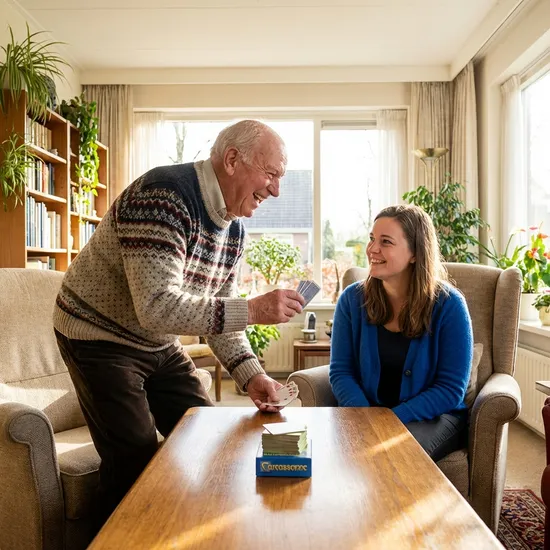
-
Companion Care
Senior Wellness
- 18 Oct, 2025
Benefits of Companion Care for Seniors
Loneliness and social isolation among seniors is a growing concern that affects millions of older adults. Studies show that prolonged isolation can have serious health consequences, comparable to smoking 15 cigarettes a day. Companion care offers a solution that goes far beyond simple supervision—it provides meaningful human connection. The Health Impact of Social Connection Research consistently shows that seniors with regular social interaction experience:Better cognitive function - Engaging conversations and activities help maintain mental sharpness Lower rates of depression - Companionship combats feelings of loneliness and hopelessness Improved physical health - Social engagement encourages activity and better self-care Longer life expectancy - Strong social connections are linked to increased longevityWhat Companion Care Includes Companion care services provide a wide range of support:"A companion isn't just someone who visits—they become a trusted friend who genuinely cares about your loved one's wellbeing and happiness."Conversation and emotional support - Someone to talk with about life, memories, and daily experiences Activity engagement - Playing games, working on puzzles, reading together, or enjoying hobbies Light meal preparation - Sharing meals and encouraging proper nutrition Errand assistance - Grocery shopping, pharmacy visits, and other outings Transportation - Safe rides to appointments, social events, and activities Technology help - Staying connected with family through video calls and devicesWho Benefits from Companion Care Companion care is ideal for seniors who:Live alone and have limited social interaction Have family members who work and cannot visit daily Are recovering from illness and need encouragement Want to remain active but need support to do so Show signs of mild cognitive declineThe Family Benefit Companion care doesn't just help seniors—it supports the entire family:Peace of mind knowing someone is checking on your loved one Regular updates on your parent's wellbeing and activities Respite for family caregivers who need a break Early detection of changes that might indicate health concernsGetting Started Companion care can begin with just a few hours per week and adjust based on your loved one's needs. Many families start with companion care and add additional services as needs change over time. Contact AccessPoint Care to learn how companion care can brighten your loved one's days and improve their quality of life.
read more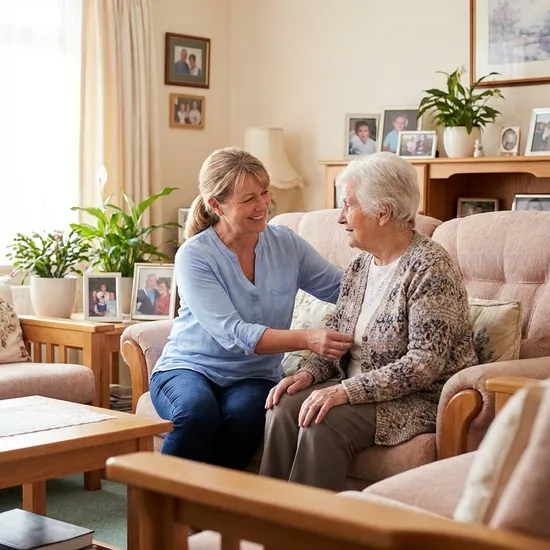
-
Home Care
Care Planning
- 25 Sep, 2025
Understanding Personal Care vs. Skilled Nursing Care
When exploring care options for a loved one, understanding the different types of home care is essential. Two terms that often cause confusion are "personal care" and "skilled nursing care." While both are provided in the home, they serve different purposes and are appropriate for different situations. What is Personal Care? Personal care, also called non-medical home care, assists with activities of daily living (ADLs). This type of care is provided by trained caregivers and includes:Bathing and showering assistance Grooming and personal hygiene Dressing assistance Mobility support and transfers Toileting assistance Meal preparation and feeding support Light housekeeping Medication reminders (not administration)"Personal care focuses on helping individuals maintain their daily routines with dignity, while skilled nursing addresses specific medical needs."What is Skilled Nursing Care? Skilled nursing care is medical care provided by licensed nurses (RNs or LPNs) and includes:Wound care and dressing changes Medication administration IV therapy and injections Catheter and ostomy care Vital signs monitoring Post-surgical care Chronic disease management Physical therapy oversightKey DifferencesAspect Personal Care Skilled NursingProvider Trained caregivers Licensed nursesFocus Daily living activities Medical treatmentsDoctor's order Not required Usually requiredInsurance Typically private pay Often covered by MedicareDuration Ongoing as needed Usually short-termWhich Does Your Loved One Need? Consider personal care if your loved one:Needs help with bathing, dressing, or grooming Requires companionship and supervision Needs assistance with household tasks Is generally healthy but struggles with daily activitiesConsider skilled nursing if your loved one:Has specific medical conditions requiring professional monitoring Is recovering from surgery or hospitalization Needs wound care or medical treatments Requires medication administrationMany Families Need Both It's common for seniors to benefit from a combination of services. For example, a client might receive skilled nursing visits twice weekly for wound care while having a personal care aide assist with bathing and meals daily. How AccessPoint Care Can Help At AccessPoint Care, we specialize in personal care services that help seniors live safely and comfortably at home. We can also coordinate with your loved one's healthcare providers to ensure seamless care. Contact us to discuss your family's specific situation and learn which services are right for you.
read more
-
Family Caregiving
Caregiver Support
- 12 Aug, 2025
Tips for Family Caregivers: Avoiding Burnout
Caring for an aging parent or loved one is one of the most meaningful things you can do—but it's also one of the most demanding. Family caregivers often put their loved one's needs above their own, leading to physical exhaustion, emotional strain, and burnout. Recognizing the signs and taking proactive steps is essential for your wellbeing and your ability to continue providing care. Recognizing Caregiver Burnout Watch for these warning signs in yourself:Physical exhaustion - Constant fatigue, frequent illness, changes in sleep or appetite Emotional changes - Feeling overwhelmed, irritable, anxious, or depressed Social withdrawal - Pulling away from friends, hobbies, and activities you once enjoyed Neglecting your own needs - Skipping doctor's appointments, poor self-care Resentment - Feeling angry toward the person you're caring for"You cannot pour from an empty cup. Taking care of yourself isn't selfish—it's necessary for sustainable caregiving."Strategies to Prevent Burnout 1. Accept Help Many caregivers try to do everything themselves. Learn to:Accept offers of help from family and friends Be specific about what you need ("Could you sit with Mom on Tuesday so I can go to my appointment?") Consider professional home care services to share the load2. Set Realistic ExpectationsYou don't have to be perfect It's okay to feel frustrated sometimes Focus on what you can control, not what you can't Celebrate small victories3. Prioritize Your HealthKeep your own medical appointments Exercise regularly, even if just a short walk Eat nutritious meals Get enough sleep4. Stay ConnectedMaintain friendships and social connections Join a caregiver support group Talk to others who understand what you're going through Don't isolate yourself5. Take Breaks Regular respite is essential:Schedule time for activities you enjoy Use respite care services to take longer breaks Even short breaks throughout the day helpThe Role of Professional Care Professional in-home care can be a game-changer for family caregivers. Services like those offered by AccessPoint Care can:Provide regular respite so you can recharge Handle physically demanding tasks like bathing and transfers Offer companionship when you can't be there Give you peace of mind knowing your loved one is safeYou're Not Alone If you're feeling overwhelmed, reach out for help. Contact AccessPoint Care to learn how our services can support both your loved one and you as a family caregiver. You don't have to do this alone.
read more
-
Home Care
Safety Tips
- 08 Jul, 2025
Preparing Your Home for In-Home Care Services
When you've decided to bring in-home care services into your loved one's life, a little preparation can make the transition smoother for everyone. Creating a safe, organized environment helps caregivers provide the best possible care while ensuring your loved one feels comfortable and secure. Safety First: Reducing Fall Risks Falls are a leading cause of injury among seniors. Before care begins, assess the home for hazards:Remove tripping hazards - Loose rugs, electrical cords, and clutter in walkways Improve lighting - Install bright bulbs and nightlights in hallways and bathrooms Add grab bars - In the bathroom near the toilet and in the shower Secure handrails - On all stairs, both inside and outside Consider non-slip surfaces - Bath mats and stair treads"A safe home environment is the foundation of quality in-home care. Small modifications can make a big difference in preventing accidents."Organizing for Care Help caregivers provide efficient care by organizing: MedicationsKeep all medications in one location Create a current medication list with dosages and schedules Include pharmacy and doctor contact informationMedical InformationCompile emergency contacts List all healthcare providers Document medical history and allergies Keep insurance information accessibleDaily EssentialsStock necessary supplies (toiletries, incontinence products, etc.) Ensure easy access to frequently used items Label storage areas if helpfulCreating a Welcoming Space Help your loved one and the caregiver build a positive relationship:Designate a space for the caregiver - A place to keep their belongings during shifts Share your loved one's preferences - Favorite activities, foods, routines, and conversation topics Provide house orientation - Show where supplies are kept, how appliances work, and any security codesCommunication Setup Establish clear communication from the start:Exchange contact information with the care agency Decide how you'll receive updates (phone, text, written notes) Create a care log or communication notebook Discuss how emergencies will be handledWhat to Expect on the First Day When care begins:Plan to be present for the first visit if possible Introduce your loved one to the caregiver Walk through the daily routine together Allow time for your loved one and caregiver to get acquainted Be patient—building trust takes timeOngoing Adjustments Remember that care needs may change over time. Stay in communication with your care team and don't hesitate to discuss:Adjustments to the care plan Changes in your loved one's condition Scheduling modifications Any concerns or suggestionsAt AccessPoint Care, we work closely with families to ensure a smooth transition to in-home care. Contact us to schedule a free home assessment and learn how we can help prepare for quality care.
read moreReady to Get Started?
Schedule a free consultation to discuss your family's care needs
Families Trust Us
Providing compassionate care
throughout Northwest Arkansas


- Trusted by families
- throughout Northwest Arkansas
- for quality home care.