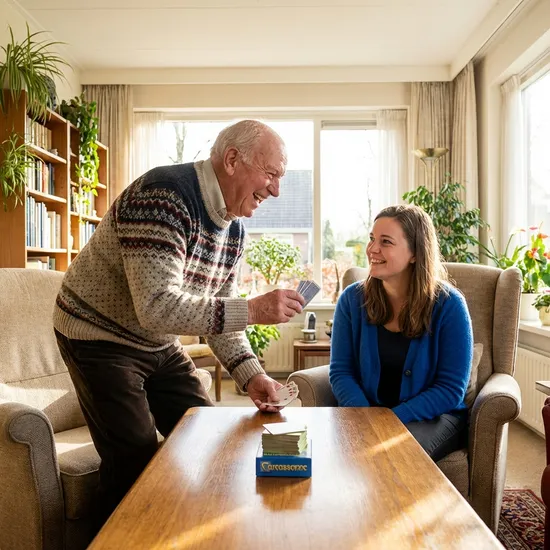
The Importance of Socialization for Elderly Adults

Human beings are social creatures at every age, but for seniors, social connection becomes even more critical. As people age, they often face circumstances that limit their social interactions—retirement, loss of a spouse, mobility challenges, or friends moving away. Understanding the importance of socialization can help families take steps to keep their loved ones connected and thriving.
The Health Consequences of Isolation
Research shows that social isolation and loneliness in seniors can lead to:
- Cognitive decline - Increased risk of dementia and Alzheimer’s disease
- Depression and anxiety - Higher rates of mental health challenges
- Heart disease - Comparable risk to smoking or obesity
- Weakened immune system - Greater susceptibility to illness
- Shortened lifespan - Loneliness is associated with earlier mortality
“Social connection isn’t a luxury for seniors—it’s a fundamental health need that affects mind, body, and spirit.”
Barriers to Socialization
Understanding why seniors become isolated helps us address the problem:
- Loss of mobility - Difficulty driving or using transportation
- Health conditions - Chronic illness, pain, or fatigue
- Hearing or vision loss - Making communication difficult
- Loss of loved ones - Spouses, friends, and siblings passing away
- Relocation - Moving to be closer to family but away from established community
Ways to Encourage Social Connection
1. Technology as a Bridge
Help your loved one use technology to stay connected:
- Video calls with family members
- Social media to follow grandchildren’s activities
- Online communities and interest groups
- Virtual religious services or book clubs
2. Community Engagement
Explore local opportunities:
- Senior centers and community programs
- Religious or spiritual communities
- Volunteer opportunities
- Classes or workshops (art, exercise, computers)
3. Regular Family Contact
- Schedule consistent calls or visits
- Include seniors in family gatherings
- Share photos and updates regularly
- Involve them in family decisions
4. Professional Companion Care
Companion care services provide:
- Consistent, reliable social interaction
- Engaging activities and conversation
- Transportation to social events
- A caring relationship that grows over time
Signs Your Loved One May Be Isolated
Watch for these indicators:
- Withdrawing from activities they once enjoyed
- Decreased communication with family and friends
- Changes in mood, appetite, or sleep
- Neglecting personal care or home maintenance
- Expressing feelings of loneliness or worthlessness
Taking Action
If you’re concerned about a loved one’s social isolation:
- Have an honest conversation about their feelings
- Help them identify interests and potential activities
- Address barriers like transportation or mobility
- Consider companion care services for regular engagement
At AccessPoint Care, our companion care services are specifically designed to combat loneliness and provide meaningful social connection. Our caregivers become trusted friends who genuinely care about your loved one’s happiness and wellbeing.